
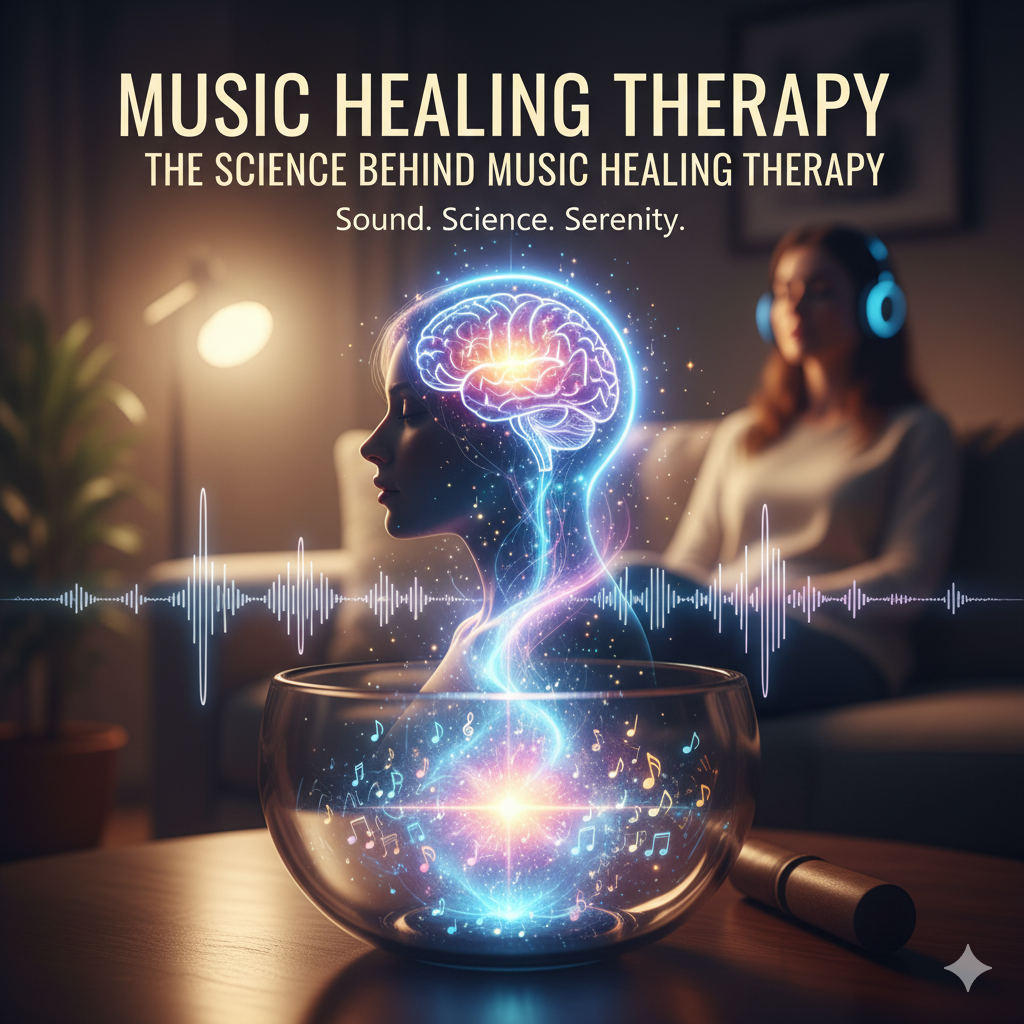
Music has always been more than sound. It is emotion, memory, rhythm, and healing woven together into a universal language. Across centuries, people have turned to music to soothe pain, ease anxiety, and connect with something greater than themselves. Today, science supports what ancient cultures instinctively knew: that music has the power to heal. Music Healing Therapy, an evidence-based practice, uses rhythm, tone, and harmony to improve emotional well-being, mental clarity, and physical health. By influencing brain function and body chemistry, it shows that true healing can sometimes come from a melody, not just from medicine.
The Invisible Medicine: How Music Shapes Mind and Body
When Sound Meets Science
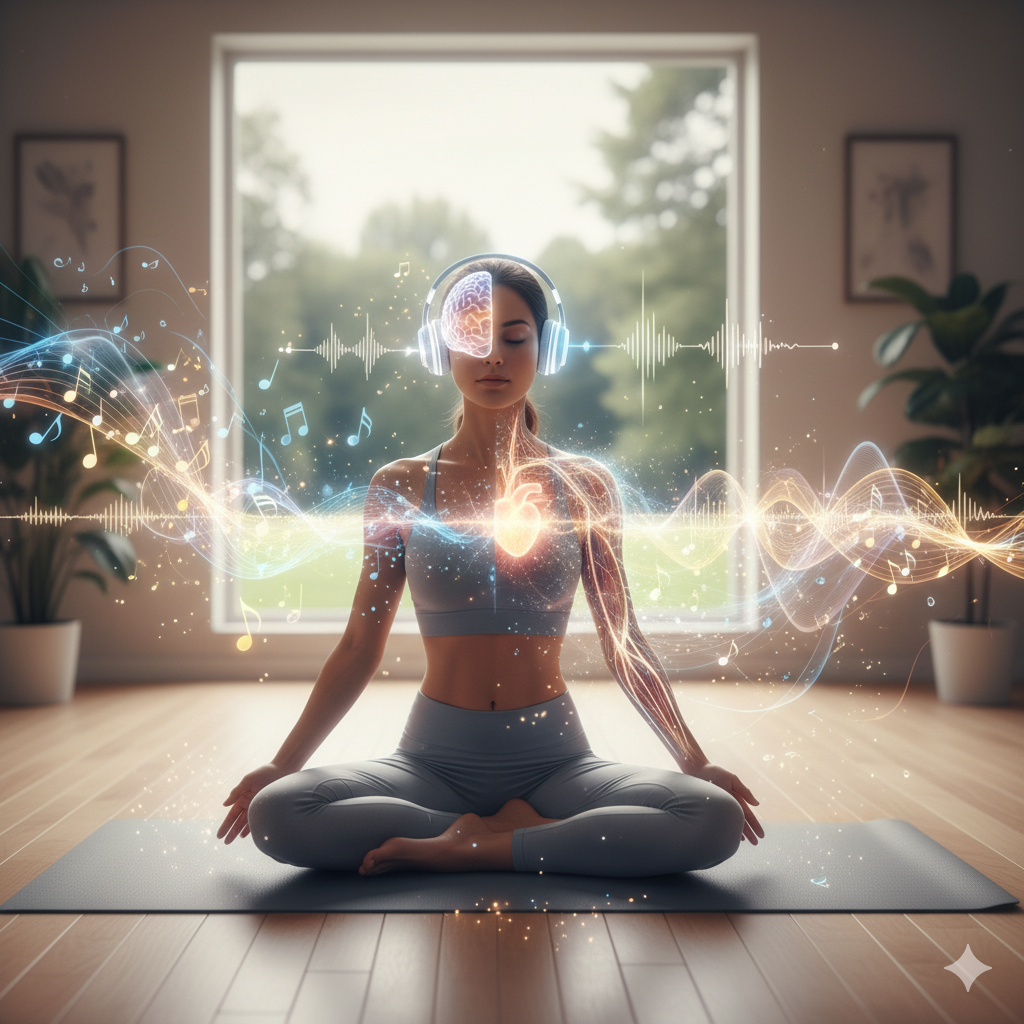
Every time we listen to music, a fascinating process begins inside the brain. In Music Healing Therapy, the auditory cortex, limbic system, and prefrontal cortex all become active together. These areas are responsible for hearing, emotions, and decision-making. As this happens, the brain releases dopamine, serotonin, and oxytocin chemicals that promote happiness, calmness, and social connection. This explains why a single tune can instantly improve our mood or make stress disappear. Science now confirms what people have long felt in their hearts that music is a form of medicine that reaches where words cannot.
The Brain’s Musical Memory
Music has a remarkable connection to memory. The hippocampus, which stores emotional and long-term memories, responds strongly to familiar melodies. This is why Music Healing Therapy is often used to help people with Alzheimer disease and dementia. Songs from their past can trigger memories, smiles, and emotional responses that had faded away. In this sense, music acts as a bridge to one’s identity, reminding people of who they are even when memory begins to fade.
The Heartbeat Connection
Our bodies naturally respond to rhythm. Slow, gentle music encourages relaxation, steadies the heart rate, and slows breathing. Faster beats, on the other hand, can energize the body and enhance focus. These sound healing benefits demonstrate how music can bring balance to both the mind and the body, helping us regulate emotions, reduce anxiety, and feel more connected to our own heartbeat.
The Emotional Orchestra : Healing the Mind through Melody
Tuning the Mind
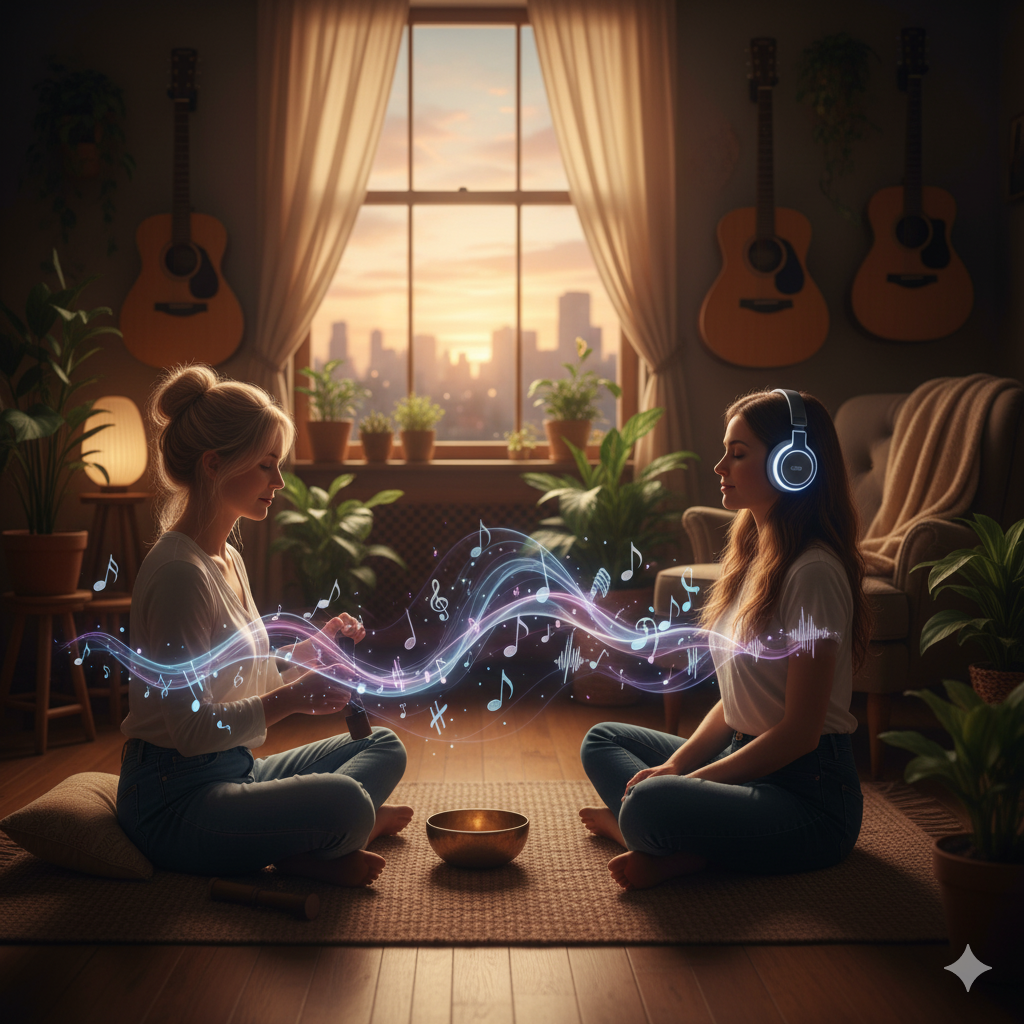
Music can influence how we think and feel in profound ways. In Music Healing Therapy, carefully selected melodies are used to manage stress, anxiety, and depression. Slow instrumental music increases alpha brain waves, which are associated with relaxation and creativity, while reducing beta waves that cause tension. Over time, these sessions help the brain associate sound with calmness, training the mind to self-soothe and recover from emotional imbalance.
From Silence to Expression
Sometimes, emotions are too deep or complex to express through words. Music therapy for mental health provides an alternative channel for communication. Singing, playing an instrument, or composing music allows individuals to express grief, anger, or hope in ways they cannot through conversation alone. For many people, creating music becomes a path toward self-understanding and healing, turning pain into something meaningful and beautiful.
Sound as Safe Space
In a world filled with noise and stress, music can create a quiet inner sanctuary. Therapists often guide patients through sessions that involve listening to calming soundscapes, nature-inspired tones, or live instrumental music. These sessions reduce cortisol levels and relax the nervous system. This practice, often called healing through sound, helps individuals reconnect with peace and stillness within themselves, making it one of the most soothing aspects of modern therapy.
Beyond Relaxation : When Music Becomes Medicine

The Physical Power of Sound
The benefits of Music Healing Therapy extend far beyond emotional relief. Scientific studies show that music can reduce muscle tension, improve blood flow, and strengthen the immune system. Patients recovering from surgery who listen to music experience less pain and anxiety, often requiring fewer medications. The rhythms and vibrations of music align with the body’s natural processes, helping it relax and heal more efficiently.
Music in Modern Medicine
Hospitals and clinics around the world are now integrating Music Healing Therapy into their treatment programs. It has been shown to help cancer patients manage fatigue, assist stroke survivors in regaining speech and movement, and even calm newborns in neonatal care units. In all these settings, music functions as a gentle companion to medicine, providing comfort, stability, and hope.
Personalized Playlists for Recovery
Every person responds differently to sound, which is why Music Healing Therapy is highly personalized. A therapist might choose rhythmic drumming to improve movement in Parkinson’s patients or soft piano music to ease anxiety in someone recovering from trauma. This customization ensures that each therapy session resonates both physically and emotionally with the listener.
The Resonance Effect
Sound waves can reach deeper than we imagine. Low-frequency vibrations used in vibroacoustic therapy stimulate tissues, increase circulation, and reduce chronic pain. This scientific approach to sound healing demonstrates that vibrations can help the body restore itself from within, offering relief in a natural and non-invasive way.
The Future of Wellness: Where Technology and Therapy Collide
Digital Sound Healing
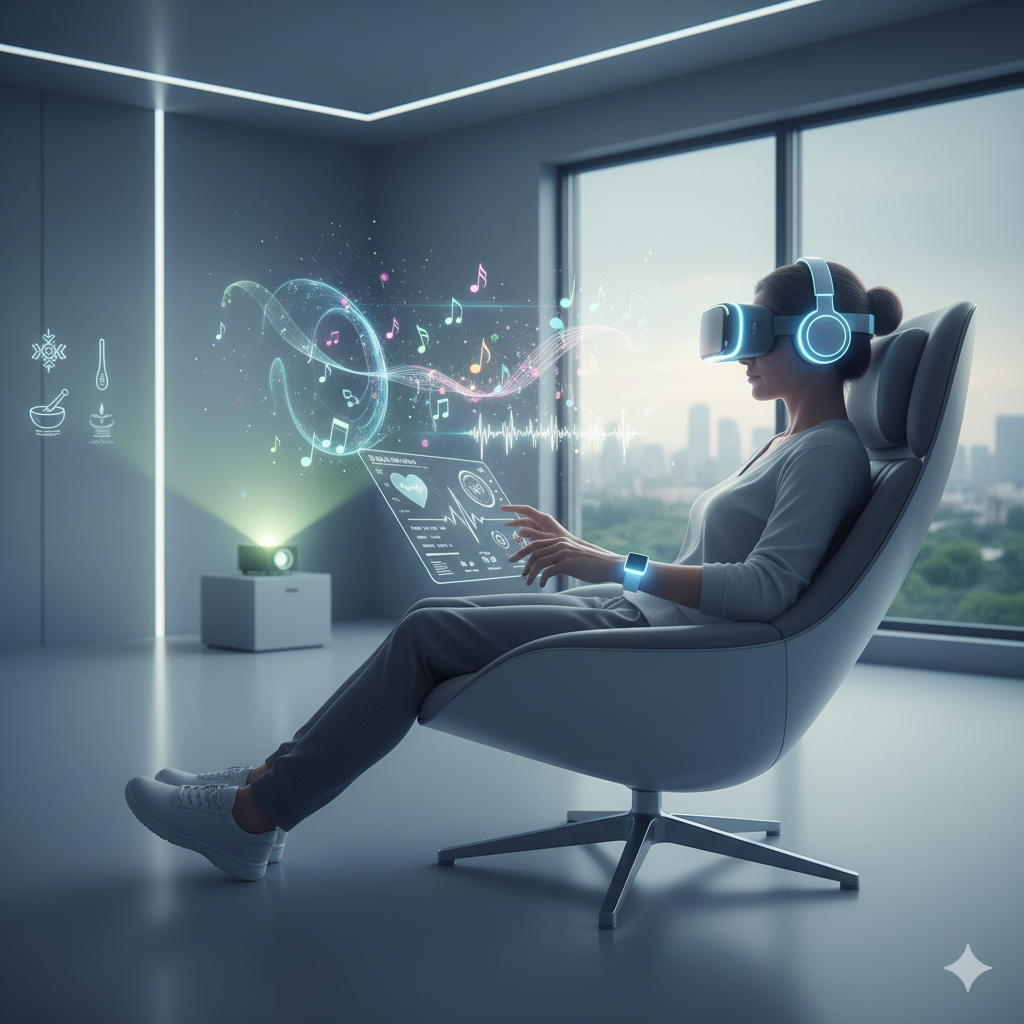
Technology has made Music Healing Therapy more accessible than ever. Modern apps and AI-driven sound systems can track heart rate, mood, and breathing patterns, then curate playlists designed for relaxation, focus, or energy. This personalized approach allows people to experience the therapeutic benefits of music from anywhere, turning everyday listening into a form of self-care.
Reviving Ancient Wisdom
Though modern science supports it, healing through sound has ancient roots. Indigenous tribes used drums for trance and unity; Indian ragas were prescribed for emotional balance; Tibetan monks used singing bowls to clear energy blockages. Today’s therapists combine these traditional methods with neuroscience, showing that old wisdom and new science can exist in perfect harmony.
A Lifestyle of Listening
Incorporating Music Healing Therapy into daily life doesn’t require much effort. Start your day with upbeat songs that motivate you, listen to ambient tunes while studying or working, and end the night with calming music to relax your body. Turning listening into a daily ritual helps create a sense of rhythm, balance, and mindfulness that supports long-term well-being.
Harmony in a Noisy World
In today’s fast-moving and overstimulated environment, music offers a rare chance to pause, breathe, and listen. Music Healing Therapy encourages mindfulness through sound, reminding us that healing does not always require silence, sometimes it comes through harmony. By reconnecting with the natural rhythm of life through music, we rediscover the calm that lives within us.