Pranayama breathing exercises are one of the most effective ways to improve physical, mental, and emotional well-being in today’s fast-paced, stressful world. Pranayama — the conscious regulation of breath — serves as a bridge between the body, mind, and soul, bringing balance, clarity, and inner peace.
The Sanskrit term Pranayama combines Prana (life energy) and Ayama (control or expansion), meaning “extension of the life force.” Practicing Pranayama breathing exercises regularly strengthens the lungs, boosts energy, reduces stress, and enhances overall health.
This article highlights the five powerful benefits of Pranayama and demonstrates how these yogic breathing techniques can enrich your daily life, support emotional harmony, and improve mental focus. Here are Reasons to Practice Pranayama.
Strengthening the Lungs with Pranayama Breathing Exercises
One of the most immediate and powerful benefits of Pranayama is its ability to improve lung function and respiratory health. In today’s lifestyle, factors like pollution, poor posture, and shallow breathing can weaken the lungs over time. Pranayama techniques for beginners and advanced practitioners alike help reverse these effects by promoting deep, controlled, and rhythmic breathing, boosting overall lung efficiency.
Increase Lung Capacity with Anulom Vilom and Bhastrika
Anulom Vilom (alternate nostril breathing) and Bhastrika (Bellows Breath) are powerful Pranayama breathing exercises that strengthen the lungs and diaphragm. Practicing these techniques daily increases lung capacity, improves oxygen intake, and enhances respiratory efficiency. By controlling the flow of breath, these exercises train your lungs to take deeper, fuller breaths, which supports stamina, energy, and overall vitality. Beginners can start with a few minutes each day and gradually extend the practice as lung strength improves.
Enhance Oxygen Exchange and Respiratory Health
Pranayama techniques promote deep, rhythmic breathing that optimizes oxygen exchange in the lungs. This process delivers more oxygen to the bloodstream and vital organs, improving endurance, mental clarity, and energy levels. Regular practice also helps clear nasal passages, supports proper diaphragm function, and reduces respiratory issues such as shallow breathing or congestion. Over time, enhanced oxygen circulation revitalizes the body, strengthens immunity, and boosts overall respiratory health.
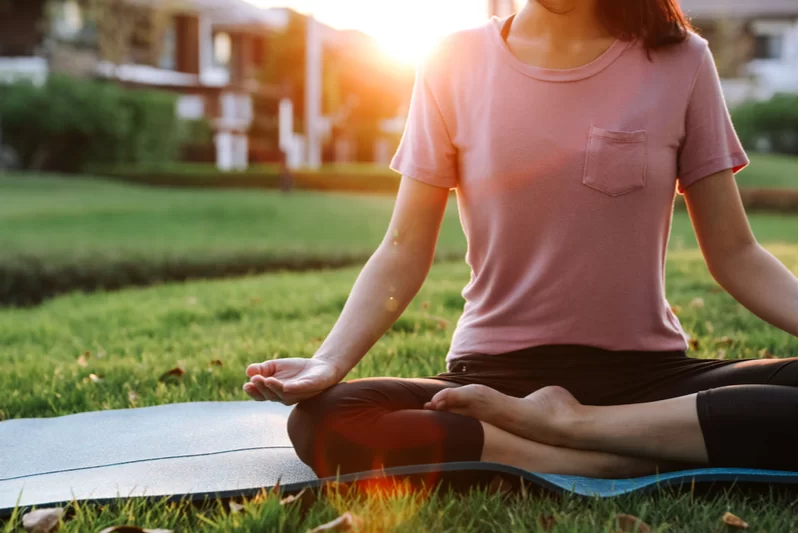
Pranayama for Stress Relief: Cultivating Calmness and Emotional Stability
In today’s high-pressure world, stress, anxiety, and emotional fatigue have become everyday struggles. Pranayama for stress relief serves as a natural and powerful method to restore inner calm and emotional balance.
Activate Relaxation Response with Mindful Breathing
Mindful Pranayama techniques, such as slow deep breathing and Bhramari (humming bee breath), stimulate the parasympathetic nervous system, activating the body’s natural relaxation response. This reduces cortisol levels — the stress hormone — helping calm the mind and body. Regular practice of mindful breathing not only alleviates anxiety and tension but also promotes mental clarity and emotional stability. By focusing on each breath, you cultivate awareness and presence, making it easier to manage daily stressors and maintain inner peace.
Improve Sleep and Emotional Balance
Pranayama for stress relief can significantly enhance sleep quality and emotional well-being. Techniques like slow, controlled inhalations and exhalations relax the nervous system, reduce restlessness, and prepare the body for deep, uninterrupted sleep. Improved oxygen flow and reduced mental clutter also support emotional balance, helping to manage irritability, anxiety, and mood swings. Over time, consistent Pranayama practice fosters resilience, calmness, and a stable emotional state.
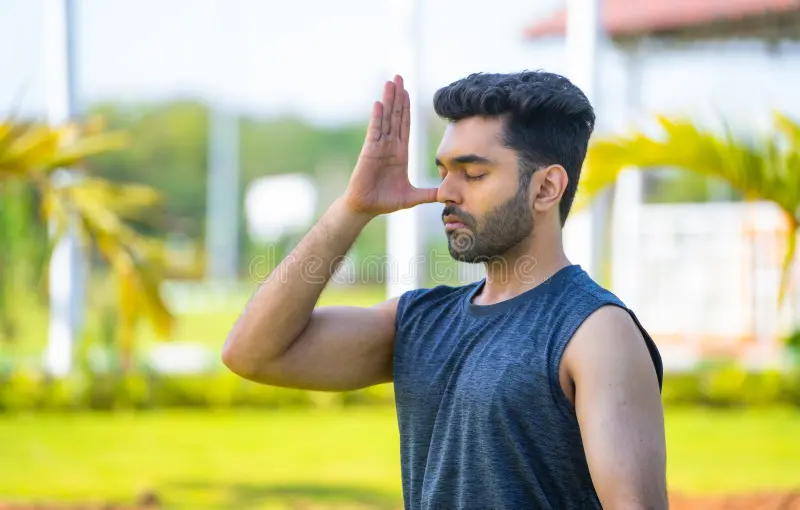
Pranayama for Concentration: Enhancing Focus and Cognitive Performance
In a world overflowing with distractions, maintaining mental clarity has become a rare skill. Pranayama for concentration enhances mental agility and cognitive sharpness by improving oxygen supply to the brain.
Boost Brain Oxygenation with Nadi Shodhana
Nadi Shodhana, or alternate nostril breathing, is a powerful Pranayama technique that enhances oxygen flow to the brain. By balancing the left and right hemispheres, it improves mental clarity, memory, and focus. Regular practice increases alertness, reduces mental fatigue, and promotes cognitive sharpness. This controlled breathing also calms the nervous system, helping to manage stress and maintain emotional stability while keeping the mind energized and attentive throughout the day.
Energize Your Mind with Kapalabhati Breathing
Kapalabhati, or Skull-Shining Breath, is an invigorating Pranayama exercise that revitalizes the mind and body. By performing short, forceful exhalations and passive inhalations, this technique clears mental fog, boosts oxygen supply, and stimulates brain function. Practicing Kapalabhati regularly enhances focus, sharpens decision-making, and increases overall energy levels. It is particularly effective in awakening the senses, improving alertness, and maintaining sustained concentration for work, study, or meditation.

Pranayama for Immunity: Boosting Health and Cleansing the Body
A robust immune system is the foundation of good health. Pranayama for immunity enhances internal strength by improving blood circulation and facilitating detoxification.
Remove Toxins and Improve Circulation
Pranayama techniques like deep, rhythmic breathing help the body eliminate toxins by promoting efficient gas exchange in the lungs and improving blood flow. Enhanced circulation delivers more oxygen and nutrients to tissues, supporting cellular repair and overall vitality. Regular practice of these breathing exercises also aids detoxification, reduces fatigue, and strengthens the body’s natural defenses, contributing to better respiratory and cardiovascular health.
Strengthen the Immune System with Bhastrika
Bhastrika Pranayama, or Bellows Breath, is a dynamic breathing exercise that energizes the body and boosts immunity. By performing rapid, forceful exhalations and deep inhalations, this technique increases oxygen intake, stimulates metabolism, and activates the body’s natural defense mechanisms. Regular practice enhances the immune response, improves endurance, and supports overall holistic health, making the body more resilient to illnesses and infections.
Pranayama for Mindfulness: Nurturing Spiritual Awakening
Beyond physical health and mental focus, Pranayama is a spiritual science that promotes self-awareness and emotional healing. It brings practitioners closer to inner peace, mindfulness, and higher consciousness.
Cultivate Awareness and Mindfulness
Pranayama for mindfulness encourages focused breathing that deepens self-awareness and promotes present-moment awareness. By observing each inhalation and exhalation, you develop mental clarity, reduce overthinking, and improve emotional regulation. Regular practice enhances mindfulness, helping you stay calm, centered, and attentive throughout daily life, while supporting overall mind-body wellness and inner balance.
Prepare for Meditation and Emotional Healing
Combining Pranayama with meditation creates a harmonious pathway for emotional healing and spiritual growth. Controlled breathing stills the mind, releases suppressed emotions, and fosters relaxation, making it easier to enter deeper meditative states. This practice not only nurtures emotional resilience but also enhances intuition, spiritual clarity, and overall holistic well-being, allowing for profound mental and emotional rejuvenation.
Guidelines for an Effective Pranayama Routine
To unlock the true potential of Pranayama, consistency and mindfulness are essential. Here’s how to practice safely and effectively:
Choose a serene environment: Practice in a quiet, well-ventilated space.
Maintain proper posture: Keep your spine erect and shoulders relaxed.
Empty stomach practice: Morning sessions yield maximum benefits.
Progress gradually: Start with 5–10 minutes and increase with comfort.
Stay consistent: Regular practice ensures long-term transformation.
Conclusion: Breathe Your Way to Balance with Pranayama
Pranayama is far more than a physical exercise — it is a science of self-mastery. By controlling the breath, you calm the mind, balance emotions, and rejuvenate the body.
From improving lung capacity to elevating mindfulness, the uses of Pranayama are endless. Even a few minutes of conscious breathing each day can transform your energy, mood, and inner awareness.
“When the breath wanders, the mind is unsteady. When the breath is still, so is the mind.”